
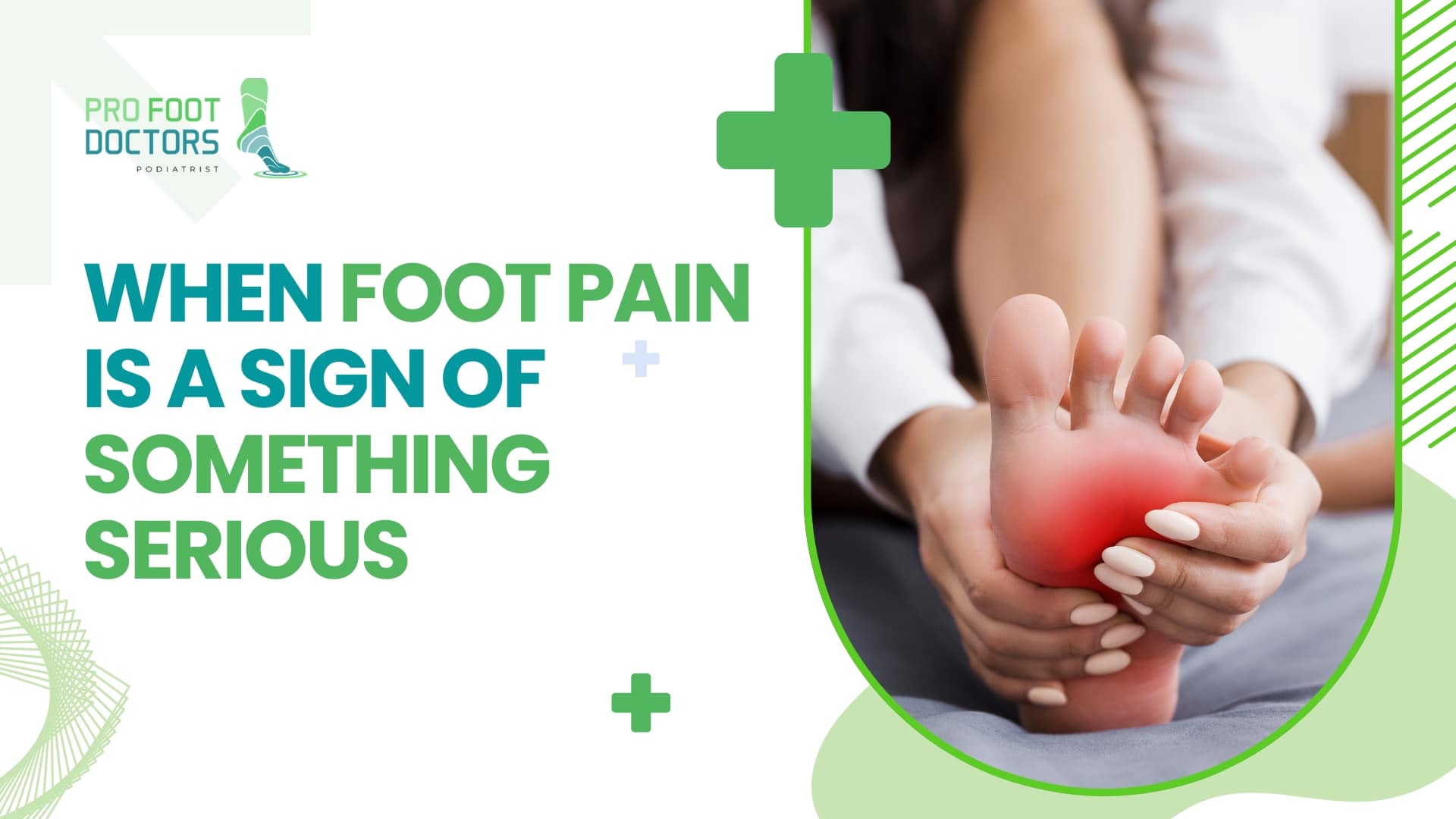
Mechanical foot pain affects about 1 in 5 people over the age of 50. Around 1 in 10 people have pain severe enough to affect their daily life. For many people, foot pain gets better over time. However, for some, it can become long-lasting and serious. It can make it harder for you to stay active, take part in daily activities, maintain good mental health, and work comfortably.
Pain can sometimes be felt in just one area, but in most cases, it can affect various parts of the foot at the same time. Most treatments usually focus on self-care, such as managing pain, knowing that healing takes time, and changing footwear or activities. Research shows that exercises and shoe inserts can help in the short term for some conditions. However, it may not provide long-term benefits.
Heel Pain
Heel pain can happen for various reasons. It usually occurs when you do too many high-impact activities or wear shoes that don’t fit well or lack support. There are some common causes of heel pain:
Plantar Fasciitis
It causes sharp pain under the heel. It happens when a band of tissue along the bottom of your foot becomes irritated. Pain is usually worse in the morning or after sitting for a long time.
Achilles Tendonitis
It causes pain at the back of the heel that usually happens when the tendon that connects your calf muscles to your heel is overused.
Heel Spurs
These are small bony growths on your heel bone. They are linked to plantar fasciitis or poor footwear. You suffer pain when you stand or walk for longer periods.
Arch Pain
The arch is the curved part of your foot between the ball of your foot and your heel. Pain in the area usually happens when the foot’s support system is not working properly. People with flat feet or high arches are more likely to have arch pain.
Flat Feet
Flat feet happen when the arch of the foot falls or flattens. It can cause pain, especially when you stand or walk for a long time. Some people are born with flat feet, and others develop them later due to weak tendons and tissues that support the arch.
Know about Flat Feet in Adults: Is It Time to See a Podiatrist in Far Rockaway?
High Arches
High arches mean the foot has a very raised curve. It puts extra pressure on the heel and ball of the foot. That pressure can lead to pain in the arch area. It is usually inherited or sometimes linked to nerve problems.
Walking Patterns (Gait Issues)
The way you walk or run can also cause arch pain. If your foot rolls inward too much, it can strain the arch. The condition is more common in people who are overweight and have slightly flat feet.
Pain in the Ball of the Foot
The ball of the foot is the area under your toes. It helps you keep balance, supports your weight, and pushes off when walking, running, or jumping. The area even takes a lot of pressure, especially if you are active. Pain in the ball of your foot can happen due to weight gain, overuse, nerve problems, and poor or tight footwear. Some of the common conditions are:
Metatarsalgia
It feels like sharp pain that is usually known as “walking on a stone.” The condition is caused by high-impact activities or tight/high-heeled shoes. Pain usually builds up slowly and improves when you rest.
Sesamoiditis
It is caused by the irritation of the small bones under your big toe. The condition can lead to a dull, long-lasting pain under your big toe. It is very common in people who play sports, wear high heels, and have high arches.
Morton’s Neuroma
The condition can affect the nerves between the toes, causing a burning pain in the ball of the foot. It can even cause numbness in the toes, and the pain gets worse with activity. Most people wearing tight or high-heeled shoes experience it.
Other Possible Causes
Stress fractures that happen with tiny cracks in the foot bones. It is usually caused by overuse or repeated impact. The condition is more common in younger, active people.
Toe Pain
Your toes are small, but they are important for helping you stand, balance, and walk properly. When you have pain in the toes, it usually happens due to problems in the front part of the foot. The possible causes can be:
Bunions
A bunion is a hard bump that forms at the base of the big toe. It makes the big toe lean toward the other toes. The condition can result from arthritis, genetics, being overweight, or wearing tight or high-heeled shoes. Bunions can cause pain and swelling, especially when you wear tight shoes.
Learn How to Prevent Bunions in Children: Early Signs and Treatment Options
Hammertoes
It happens when a toe bends in the middle and stays in that condition. It looks like a hammer and usually affects the second toe. The condition arises when a bunion pushes other toes out of place. Hammertoes can cause irritation, rubbing, corns, or calluses.
Gout
It is a type of arthritis that usually affects the big toe. The condition happens when crystals build up in the joint, causing severe pain, redness, and swelling.
Ingrown Toenails
It happens when the edge of a toenail grows into the skin next to it. The condition can cause pain, redness, and swelling in that area.
Here is When to See a Doctor for an Ingrown Toenail? Signs You Need Professional Help
Pain On The Top Of The Foot
Pain on the top of your foot usually happens because of overuse or injury. The tendons, muscles, and bones in the area can be affected. Some of the common causes include:
Extensor Tendonitis
The tendons on the top of the foot can become irritated or swollen from too much use. It causes pain and swelling in the middle part of the foot. It usually affects a person who regularly is involved in activities like dancing, running, or climbing stairs.
Stress Fractures
These are small cracks in the bones that are caused by repeated pressure, like jumping or running. Older adults, especially women, are at higher risk because their bones are weaker. In such cases, even normal walking can sometimes cause these fractures.
When To See Our Podiatrist
Most cases of foot pain are easily manageable at home. However, there are times when you should get medical attention as early as possible. You need to see a podiatrist if you experience severe pain that doesn’t improve with rest, consistent redness, swelling, or warmth, or difficulty walking or bearing weight on your foot. You also need to see signs of infections, such as pus, redness, or fever. There is a possibility that foot pain can be caused by an underlying condition like diabetes. If you are not sure about the problem, you need to get medical help immediately.