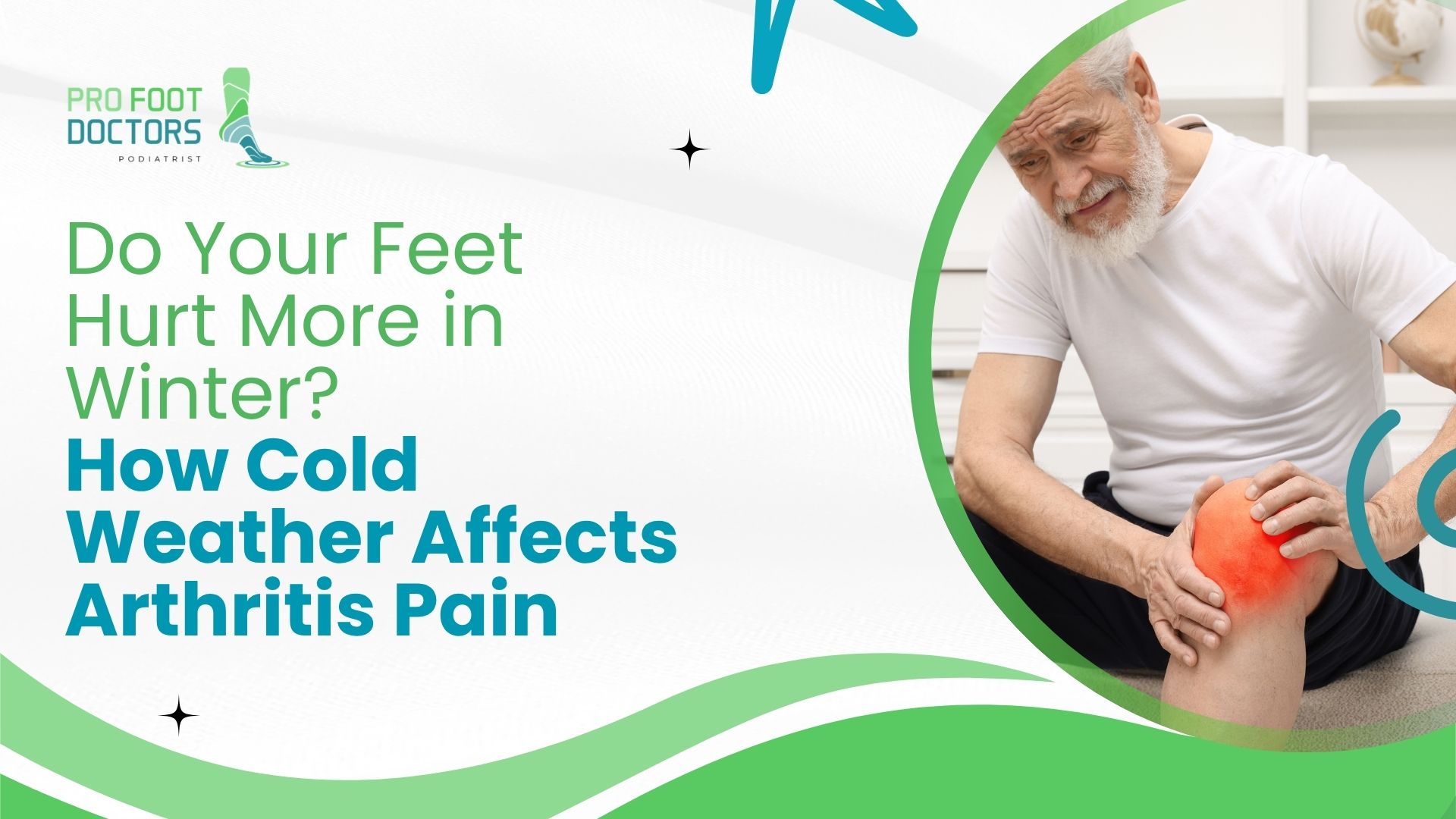

Pain around the front of the kneecap is usually caused by overusing the knee. It happens when the knee is put under more stress than it can actually handle, mostly with repeated activities. It is very common in people who run, hike, cycle, or play sports regularly. That’s why it is usually known as the runner’s knee.
There is not a single treatment available that can fix the root cause of runner’s knee. However, research shows that strengthening the muscles in your thighs and hips with regular exercise can reduce pain and improve knee function.
If your knee pain starts after exercise or sports, it is also important to take a short break or reduce your activity level. You need to give your knee some time to recover. It helps prevent the pain from getting worse and supports healing.
Check out When Foot Pain Is a Sign of Something Serious.
What Are The Different Symptoms of Runner’s Knee (Patellofemoral Pain Syndrome)
The most common symptom of runner’s knee is pain around or behind the kneecap. Doctors mostly call the condition patellofemoral pain syndrome (PFPS). The reason is that it affects the area where the kneecap (patella) meets the thigh bone (femur).
The pain usually starts off mild, and it gradually becomes more noticeable. It mostly feels like a dull ache that gets worse during activities that can put extra pressure on the knee. It includes walking up or down stairs, running or jumping, kneeling, and sitting with your knees bent for a long time.
Some people also notice popping, clicking, or cracking sounds when they bend or straighten their knee. These sounds are harmless and don’t always mean there is damage to the joint. In fact, most people have noisy knees without any pain or knee problems.
Even if your knee makes these sounds, it is important to keep it moving unless a healthcare provider advises otherwise. Regular movement can help keep the joint healthy by nourishing the cartilage and maintaining strong bones.
Is Your Heel Pain Serious or Will It Go Away?
What Causes Runner’s Knee?
Runner’s knee is usually caused by repeated stress on the knee joint. Over time, it can irritate the tissues around the kneecap. It includes ligaments, tendons, bones, and small nerves that lead to pain.
Overuse is the main cause, and not everyone who exercises regularly develops runner’s knee. There are various factors that can increase the risk, including:
- Weak thigh and hip muscles. It can affect how the kneecap moves.
- Poor kneecap alignment. It puts extra pressure on the joint.
- One leg is slightly longer than the other. It can change the way you walk or run.
- Flat feet or other foot alignment problems. It can place added stress on the knees.
- Tight muscles, mostly in the hips, thighs, or calves.
- Knock knees or bow legs. It can change how weight is distributed through the knee.
Among these factors, weak thigh muscles have the strongest research support. It contributes to the runner’s knee. In most cases, runner’s knee develops because of a combination of overuse, muscle weakness, and movement patterns.
Strengthening the muscles around the hips and thighs, improving flexibility, and increasing activity levels can help. It can help reduce the risk of developing the condition.
Learn How Do You Know Your Ankle Is Broken or Sprained?
What Are The Treatment Options For Runner’s Knee?
It is possible to treat runner’s knee without surgery. The main goal is to reduce pain so the knee can heal and strengthen the muscles that support the joint.
Rest and Reduce Activity
If your knee pain starts with running, cycling, or another sport, you need to take a break or reduce your activity for a while. Rest can give the irritated tissues time to recover. It helps prevent the condition from getting worse.
Strengthen Your Leg Muscles
Regular exercise can strengthen the thighs, hips, and knee muscles. It can help reduce stress on the kneecap. Most of the time, it can relieve pain, improve knee function, and lower the risk of future flare-ups.
Use Ice and Anti-Inflammatory Gels
Apply an ice pack to the knee for about 15-20 minutes at various times a day. It can help reduce pain and swelling, mostly after activity. You can also use over-the-counter anti-inflammatory gels or creams that contain diclofenac and ibuprofen. These are applied directly to the knee and mostly have fewer side effects than taking pain-relief tablets.
Avoid Exercising Through The Pain
You don’t need to rely on the painkillers to continue running or playing sports. Even if medication can temporarily reduce discomfort, it does not fix the problem. You need to continue to exercise on a painful knee. It can delay healing and increase the risk of injury.
Consider Supportive Shoe Inserts
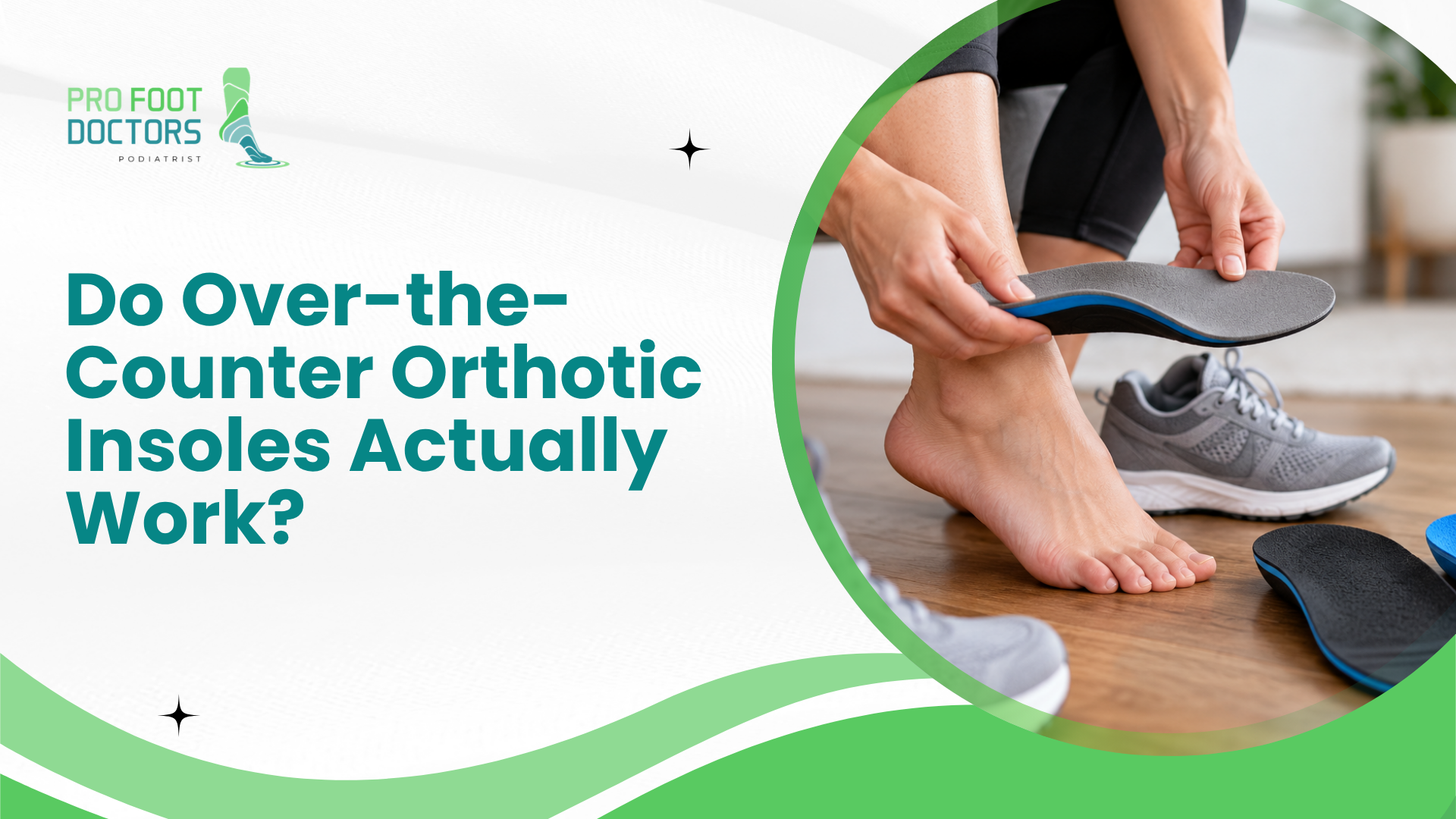
If you have flat feet or your feet roll inward when you walk or run (overpronation), you need supportive shoe inserts. These can help improve your foot alignment. They can even reduce pressure on the knee. They work best when combined with a strengthening exercise program.
Check out the difference between Ankle Braces Vs. Taping: Which is Better for Preventing Sports Ankle Injuries?
Living With Runner’s Knee
It can be frustrating to live with runner’s knee, especially if it keeps you from doing the activities you enjoy. You may need to cut back on running, sports, or other exercises till your knee has time to heal. Recovery does not happen overnight, and it usually takes patience and consistency. In some cases, it can be difficult to pinpoint the exact cause of the pain.
That’s why it is important to follow a treatment plan, do strengthening exercises regularly, and avoid activities that can make the pain worse. Even if you are recovering, you need to try to stay positive and focus on what you can do.
Low-impact activities such as swimming, walking, water jogging, or easy cycling can help you stay active without putting so much stress on your knees.